1. Acne Treatment Recovery: Your Ultimate Post-Care Guide


Finally clearing up acne is a huge relief, a milestone many of us celebrate with a sigh of satisfaction. However, the journey to truly healthy, glowing skin doesn’t end when the active breakouts disappear. In fact, what comes next – how to care for your skin after acne treatment – is just as crucial, if not more, for achieving lasting results. Many Filipinos, after enduring the challenges of acne, find themselves facing new concerns: lingering redness, dryness, increased sensitivity, or the dreaded post-inflammatory hyperpigmentation (PIH) and even scarring.
This post-treatment phase is delicate. Your skin has been through a lot, often exposed to powerful ingredients and procedures designed to combat acne. It’s now vulnerable and needs a gentle, nurturing approach to heal, rebuild its protective barrier, and prevent new issues from arising. Skipping proper aftercare can undo all the hard work, leading to frustration and prolonging your skin’s recovery. But don’t worry, mga kababayan, we’re here to guide you every step of the way. This ultimate post-care guide is designed specifically to help you understand how to care for your skin after acne treatment, ensuring you achieve the clear, resilient, and radiant skin you deserve.
Immediate Post-Treatment Care: Healing and Soothing Your Skin
Right after acne treatment, whether it’s a topical medication, oral antibiotics, or an in-clinic procedure, your skin will likely be quite sensitive and prone to irritation. Think of it as skin that’s just run a marathon – it needs immediate comfort and care to begin its recovery.
Be Gentle, Always: The Golden Rule
This cannot be stressed enough. Your skin barrier, which acts as your body’s first line of defense, is compromised. Any harsh physical exfoliation, vigorous rubbing, or picking can exacerbate irritation, delay healing, and even lead to more severe scarring or hyperpigmentation. Always treat your skin with the utmost gentleness.
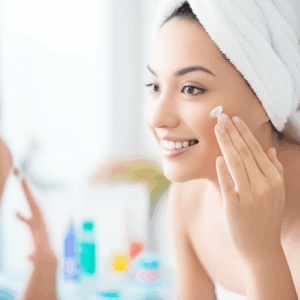
- Cleansing: Use only your fingertips to apply a mild, non-foaming cleanser. Rinse with lukewarm water.
- Drying: Pat your face dry with a clean, soft towel instead of rubbing.
- Hands Off: Resist the urge to touch, pick, or squeeze any remaining bumps or flakes. This is critical for preventing new breakouts and scarring.
Soothe Redness and Inflammation
Redness and inflammation are common companions during the initial post-treatment phase. Calming your skin is a top priority.
- Cold Compresses: A clean, soft cloth soaked in cool water can provide immediate relief for hot, inflamed areas.
- Soothing Ingredients: Look for products containing ingredients known for their calming properties. These include:
- Aloe Vera: Pure aloe vera gel can be incredibly soothing and hydrating.
- Centella Asiatica (Cica): A popular K-beauty ingredient, Cica is excellent for wound healing and reducing inflammation.
- Ceramides: These fatty acids are natural components of your skin barrier and help in its repair.
- Niacinamide (Vitamin B3): Reduces redness and strengthens the skin barrier.
- Avoid Irritants: Stay away from products with alcohol, strong fragrances, essential oils, or aggressive exfoliants (physical or chemical) for at least a few weeks post-treatment, or until your dermatologist advises otherwise.
Hydration is Key, but Choose Wisely
Many acne treatments can be drying, stripping your skin of its natural moisture. Replenishing this moisture is vital for healing and maintaining skin health. However, you need to choose your products carefully.
- Non-Comedogenic Moisturizers: Ensure your moisturizer is labeled “non-comedogenic,” meaning it won’t clog pores. This is especially important for acne-prone individuals.
- Fragrance-Free: Fragrances can be irritating to sensitive skin. Opt for fragrance-free formulas.
- Lightweight but Effective: In the humid Philippine climate, you might prefer a gel or lotion texture over a heavy cream. Look for ingredients like hyaluronic acid, glycerin, and ceramides that provide deep hydration without feeling greasy.
Nurturing Your Skin Back to Health: Essential Skincare Steps
Once the initial sensitivity subsides, it’s time to establish a consistent, long-term skincare routine that supports healing, addresses lingering concerns, and prevents future issues. This is your comprehensive guide on how to care for your skin after acne treatment through a well-rounded regimen.
Cleansing Correctly for Resilient Skin
The foundation of any good skincare routine starts with proper cleansing. This helps remove dirt, excess oil, and impurities without stripping your skin.
- Gentle Cleanser: Continue using a mild, pH-balanced cleanser twice a day – once in the morning and once at night. Avoid foaming cleansers that leave your skin feeling ‘squeaky clean,’ as this often means your skin’s natural oils have been stripped.
- Lukewarm Water: Hot water can further irritate sensitive skin and worsen dryness. Always use lukewarm water for cleansing and rinsing.
The Power of Hydration and Moisturization
A well-hydrated skin barrier is a strong skin barrier. This is critical for protection against environmental aggressors and for efficient skin repair. Hydration and moisturization are not the same but work hand-in-hand.
- Hydrators: Ingredients like Hyaluronic Acid and Glycerin attract moisture from the air and bind it to your skin. Apply a hydrating serum on damp skin for maximum absorption.
- Moisturizers: These seal in that hydration and create a protective barrier. Look for formulas rich in Ceramides, Cholesterol, and Fatty Acids to replenish your skin’s natural lipids. Even in the Philippines’ heat and humidity, a lightweight, non-comedogenic moisturizer is essential. Don’t skip it!
Addressing Post-Inflammatory Hyperpigmentation (PIH) and Scars
For many Filipinos, dealing with acne often means dealing with the dark spots (PIH) that are left behind. These reddish-brown or blackish marks are a common consequence of inflammation and can take months to fade. True acne scars, on the other hand, are textural changes (indentations or raised areas) that require different approaches.
- For PIH (Dark Spots): Patience is key, but certain ingredients can speed up the fading process. Introduce these gradually and always with sun protection.
- Vitamin C: A powerful antioxidant that brightens skin and inhibits melanin production.
- Niacinamide: Reduces inflammation and helps prevent melanin transfer to skin cells.
- Alpha Arbutin/Kojic Acid: Popular skin-lightening ingredients that reduce hyperpigmentation.
- Azelaic Acid: Has anti-inflammatory and pigment-reducing properties.
- AHA/BHA (Gentle Exfoliation): Once your skin has fully recovered and is no longer sensitive, very gentle chemical exfoliation (e.g., Lactic Acid, Mandelic Acid) can help shed pigmented cells. Start with low concentrations and infrequent use.
- For Acne Scars (Textural Changes): True acne scars, such as ice pick, boxcar, or rolling scars, often require professional intervention as topical products have limited efficacy. Consult a dermatologist for options like:
- Microneedling: Stimulates collagen production.
- Chemical Peels: Deeper peels can improve texture.
- Laser Resurfacing: Targets scar tissue and promotes healing.
- Subcision/Fillers: For specific types of indented scars.
Sun Protection: Non-Negotiable in the Philippines
This is arguably the most critical step in how to care for your skin after acne treatment, especially in a tropical country like the Philippines. Sun exposure is the number one culprit for worsening PIH and can even trigger new breakouts. UV radiation can also break down collagen, leading to premature aging and exacerbating the appearance of scars.
- Broad-Spectrum SPF 30+: Apply a broad-spectrum sunscreen with at least SPF 30 every single morning, rain or shine. Look for formulations that protect against both UVA and UVB rays.
- Reapply: Reapply every 2-3 hours, especially if you’re sweating or spending time outdoors. Many local brands now offer lightweight, non-greasy sunscreens perfect for our climate.
- Physical Protection: Don’t rely solely on sunscreen. Wear wide-brimmed hats, sunglasses, and seek shade during peak sun hours (10 AM – 4 PM).
Lifestyle Habits for Long-Term Skin Health and Preventing Recurrence
Skincare isn’t just about what you put on your face; it’s also about how you live your life. Adopting healthy lifestyle habits complements your topical treatments and significantly impacts your skin’s overall health and ability to heal, further enhancing your understanding of how to care for your skin after acne treatment.
Diet and Nutrition: Fueling Your Skin from Within
What you eat can affect your skin’s health and inflammatory response.
- Antioxidant-Rich Foods: Load up on fruits and vegetables like berries, leafy greens, and colorful peppers. Antioxidants fight free radical damage and support skin repair.
- Omega-3 Fatty Acids: Found in fatty fish (salmon, mackerel), flaxseeds, and walnuts, Omega-3s have anti-inflammatory properties beneficial for skin.
- Hydrate from Within: Drink plenty of water throughout the day. Proper hydration is essential for skin elasticity and overall health.
- Limit Inflammatory Foods: Some studies suggest that high-glycemic index foods (processed carbs, sugary snacks) and certain dairy products might exacerbate acne in some individuals. While not universally true for everyone, it’s worth observing if these foods impact your skin.
Stress Management: The Calm Skin Connection
Stress can wreak havoc on your skin by increasing inflammation and stimulating oil production, potentially leading to new breakouts. Finding healthy ways to manage stress is crucial.
- Relaxation Techniques: Practice meditation, yoga, deep breathing exercises, or hobbies that help you unwind.
- Regular Exercise: Physical activity is a great stress reliever, but remember to cleanse your skin immediately after sweating to prevent clogged pores.
Sleep Quality: The True Beauty Sleep
Your body, including your skin, repairs and regenerates itself while you sleep. Aim for 7-9 hours of quality sleep each night.
- Cell Repair: During sleep, your skin cells undergo repair and renewal, which is vital for healing post-acne damage.
- Reduced Stress: Adequate sleep also helps manage stress levels.
Hygiene Practices: Small Habits, Big Impact
Simple daily hygiene can make a big difference in preventing new breakouts.
- Clean Pillowcases: Change your pillowcase every 2-3 days to avoid transferring dirt, oil, and bacteria to your face.
- Clean Phone Screens: Your phone screen can harbor bacteria. Wipe it down regularly.
- Avoid Touching Your Face: Our hands carry germs. Consciously try to keep your hands away from your face.
- Clean Hair: If you have oily hair or use hair products, make sure your hair is kept away from your face, especially when sleeping, to avoid transferring oils and product residue to your skin.
When to Seek Professional Guidance: Kailan Dapat Kumonsulta sa Doktor?
While this guide provides comprehensive advice on how to care for your skin after acne treatment, remember that some skin concerns require the expertise of a professional. Don’t hesitate to consult a board-certified dermatologist if:
- You experience persistent redness, irritation, or an allergic reaction.
- New breakouts continue to emerge despite following a consistent routine.
- Your PIH isn’t fading after several months, or you’re concerned about true acne scars.
- You notice any unusual changes in your skin.
- You’re unsure about introducing new active ingredients into your routine.
A dermatologist can provide personalized recommendations, prescribe stronger treatments if necessary, and offer in-office procedures that can significantly improve your skin’s texture and tone.
Conclusion: Your Journey to Radiant, Healthy Skin Continues
The path to clear, healthy skin after acne treatment is a journey that requires patience, consistency, and a deep understanding of your skin’s needs. By embracing gentle care, nurturing your skin with the right products, protecting it from the sun, and adopting healthy lifestyle habits, you’re not just recovering; you’re building a foundation for long-term skin health. Understanding how to care for your skin after acne treatment is empowering, transforming what could be a frustrating period into an opportunity for renewal.
Remember, every person’s skin is unique, and progress may not always be linear. There might be good days and challenging days, but by sticking to these principles and listening to your skin, you’ll be well on your way to achieving that confident, healthy glow. Be kind to your skin, be consistent with your routine, and never hesitate to seek professional advice. Your radiant, post-acne skin is within reach!
ĐĂNG KÝ NHẬN ƯU ĐÃI
Để lại thông tin bên dưới để được chuyên gia tư vấn nhanh về dịch vụ phù hợp với lông mày / làn da của bạn.
*Chúng tôi tôn trọng và bảo mật tuyệt đối thông tin khách hàng.